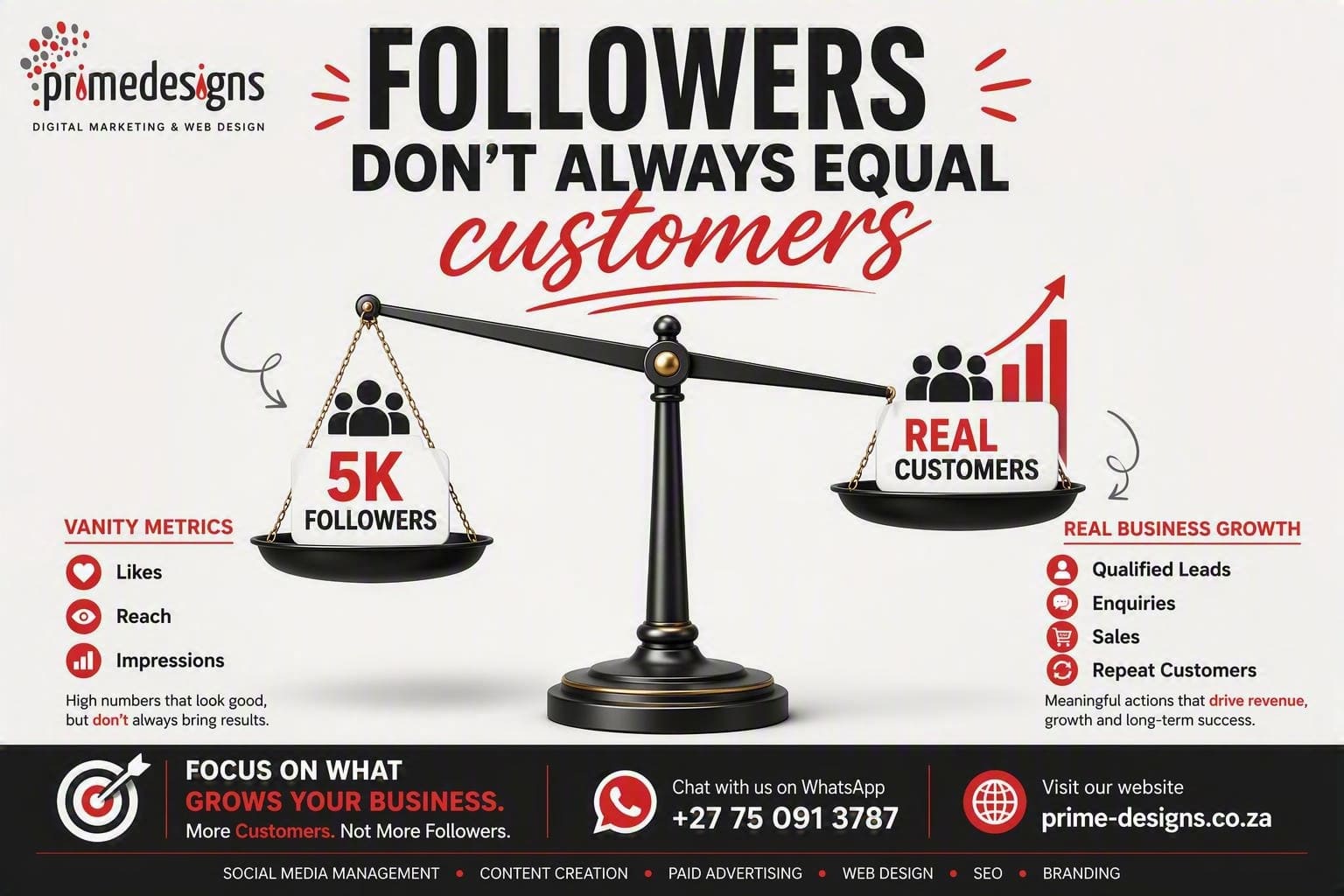
Introduction: In today’s competitive digital landscape, maximizing return on investment (ROI) from social media advertising is crucial for business success. With nearly five billion social media users worldwide, these platforms offer unprecedented access to potential customers. However, simply running ads isn’t enough—you need a strategic approach to ensure your budget generates measurable results .
Define Clear Objectives before launching any campaign. Establish SMART goals (Specific, Measurable, Achievable, Relevant, Time-bound) that align with your business objectives. Common goals include increasing website traffic, generating leads, boosting sales, or enhancing brand awareness. According to industry data, 55% of marketers report that social media has directly helped them increase sales, making it one of the most effective digital marketing channels available .
Platform Selection is critical for ROI optimization. Not all social media platforms yield the same results. Instagram typically works well for younger audiences and visual products, while LinkedIn is more effective for B2B connections and professional services. Facebook offers robust targeting capabilities across demographics, and TikTok excels at reaching Gen Z and Millennial audiences with short-form video content. Choose platforms where your target audience is most active to maximize advertising returns .
Audience Targeting capabilities on social platforms allow for precise demographic, interest-based, and behavioral targeting. Utilize these options to ensure your ads reach the most relevant users. Advanced targeting options include lookalike audiences (which find users similar to your existing customers), retargeting (re-engaging users who previously interacted with your brand), and interest-based targeting (reaching users based on their documented interests and behaviors) .
Compelling Ad Creatives determine whether people engage with your ads or scroll past. Use high-quality images and videos that resonate with your audience, craft compelling headlines that grab attention within the first few seconds, and write concise, persuasive copy that focuses on benefits rather than features. Include a strong call-to-action (CTA) such as “Shop Now,” “Learn More,” or “Sign Up Today” to guide users toward the next step .
A/B Testing is essential for optimizing ad performance. Experiment with different versions of your ads to understand what resonates best with your audience. Test variables including ad copy, images, CTAs, and audience segments. Small tweaks can lead to major improvements in performance—sometimes increasing conversion rates by 50% or more. Continuous testing ensures your campaigns keep improving over time .
Tracking and Analytics provide the insights needed to optimize your campaigns. Monitor key performance indicators (KPIs) such as click-through rates (CTR), conversion rates, cost per acquisition (CPA), and return on ad spend (ROAS). Use tools like Facebook Ads Manager, Google Analytics, and platform-specific insights to track these metrics. According to marketing experts, tracking specific metrics helps you understand what’s working and allows for data-driven decisions .
Budget Optimization ensures you’re not wasting resources on underperforming ads. Start with a modest budget, analyze performance, and increase spending on high-performing ads only. Consider using automated bidding strategies initially, then shift to manual bidding once you have sufficient data insights. For lead generation campaigns, set a target cost-per-lead (CPL) and optimize bids accordingly .
Retargeting Strategies help recover lost leads and conversions. Most users don’t convert on their first interaction with your brand. Implement retargeting ads to bring them back, including cart abandonment ads, content-based retargeting (showing ads related to pages they visited), and time-sensitive offers to create urgency. Statistics show that retargeted visitors are 70% more likely to convert than first-time visitors .
Emerging Trends in social media advertising include AI-powered targeting, interactive and shoppable ads, short-form video content, and value-based marketing. Platforms like Meta and Google use AI to optimize ad performance automatically. Interactive elements like polls, quizzes, and augmented reality filters increase engagement. Shoppable ads allow users to purchase directly from social platforms, reducing friction in the customer journey .
Call to Action: Ready to maximize your social media advertising ROI? Contact our digital marketing experts today for a free audit of your current social media advertising strategy and discover how we can help you achieve better results with your ad spend.