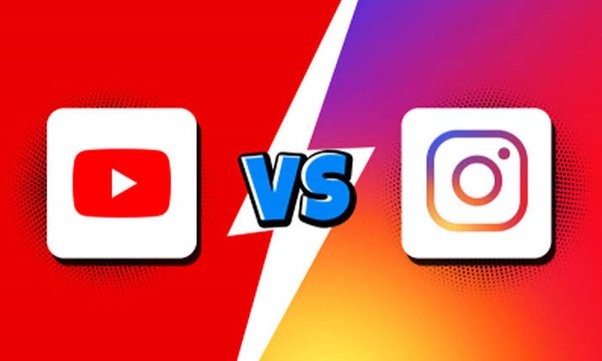
In the world of digital marketing, Facebook and Instagram are two of the most powerful advertising platforms. Both offer unique advantages, making it essential for businesses to understand their differences before investing in ads. While Facebook remains a giant in the social media space, Instagram’s visual appeal attracts a younger audience. So, which one is better for your business? Let’s compare Facebook and Instagram ads to help you make an informed decision.
1. Audience Demographics
- Facebook: With over 3 billion monthly active users, Facebook appeals to a broad demographic, including older age groups. It is ideal for businesses targeting a diverse audience, from young adults to senior citizens.
- Instagram: Instagram is more popular among younger audiences, particularly those aged 18-34. If your target market includes millennials and Gen Z consumers, Instagram ads may be more effective.
2. Ad Formats
- Facebook Ads: Facebook offers multiple ad formats, including carousel ads, video ads, slideshow ads, and lead generation forms. These ads are designed to drive website traffic, engagement, and conversions.
- Instagram Ads: Instagram is a highly visual platform, with ads appearing as image posts, stories, reels, and shopping ads. The platform focuses on high-quality visuals and storytelling to attract users.
3. Engagement and User Behavior
- Facebook: Users on Facebook engage more with shared content, news, and community discussions. Facebook ads are great for businesses that rely on detailed ad copy and direct interactions, such as comments and shares.
- Instagram: Instagram users are more engaged with visual content, making it a perfect platform for businesses that rely on aesthetics. If your brand focuses on fashion, beauty, travel, or food, Instagram’s high engagement rates can be beneficial.
4. Cost and Return on Investment (ROI)
- Facebook Ads: Generally, Facebook ads have a lower cost per click (CPC) compared to Instagram. Businesses looking for affordable advertising with detailed targeting options may find Facebook a better choice.
- Instagram Ads: While Instagram ads tend to have a higher CPC, they often result in higher engagement rates. If your goal is to build brand awareness and drive engagement, Instagram ads may provide a better ROI.
5. Ad Placement and Targeting
- Facebook: Facebook allows for highly detailed audience targeting, including demographics, interests, and behaviors. It also supports multiple placements, including Facebook Marketplace, Messenger, and the News Feed.
- Instagram: Instagram ads are mostly placed in the feed, stories, and reels. Although targeting options are similar to Facebook, Instagram is better suited for visually-driven campaigns.
6. Conversion Potential
- Facebook: Facebook ads are more effective for lead generation, e-commerce sales, and website conversions. Businesses that rely on collecting customer data may benefit more from Facebook’s ad options.
- Instagram: Instagram’s shoppable ads and influencer partnerships make it ideal for brands looking to drive direct purchases. If your business sells visually appealing products, Instagram ads can help drive impulse buying.
Which Platform Should You Choose?
- Choose Facebook Ads if: You want a broader audience reach, lower ad costs, and more detailed targeting for lead generation and website traffic.
- Choose Instagram Ads if: You want to engage a younger audience, promote visually appealing products, and focus on brand storytelling.
Conclusion
Both Facebook and Instagram ads offer unique advantages, and the best platform for your business depends on your goals and audience. For maximum results, consider running ads on both platforms and analyzing which delivers better ROI. A well-planned strategy can help you leverage the strengths of each platform to drive business growth.